From the Dushanbe National Stadium to Five Landscape Bridges: PFM's Capabilities in Landscape Engineering
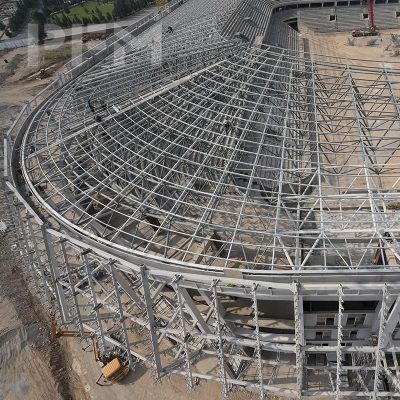
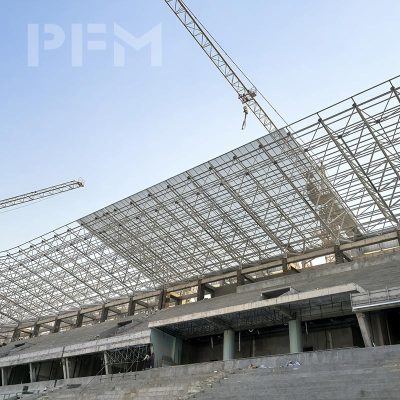
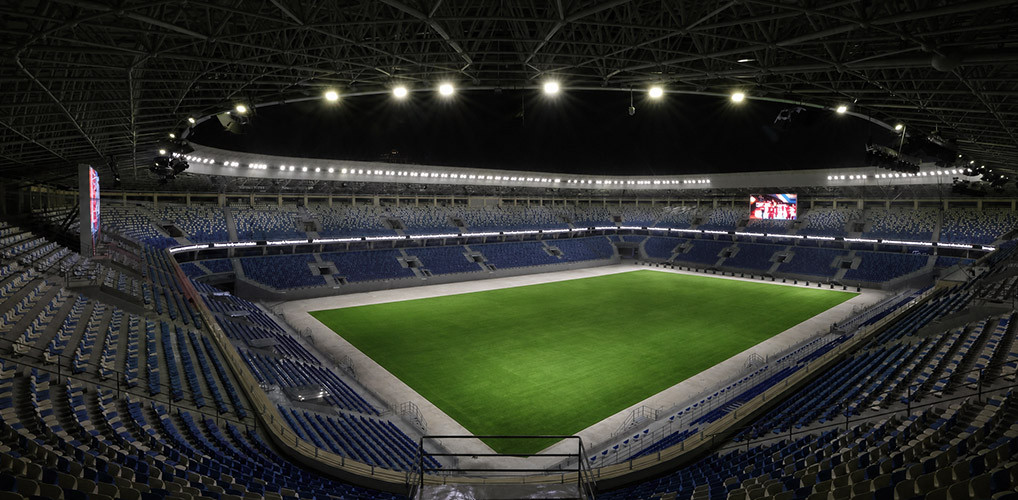
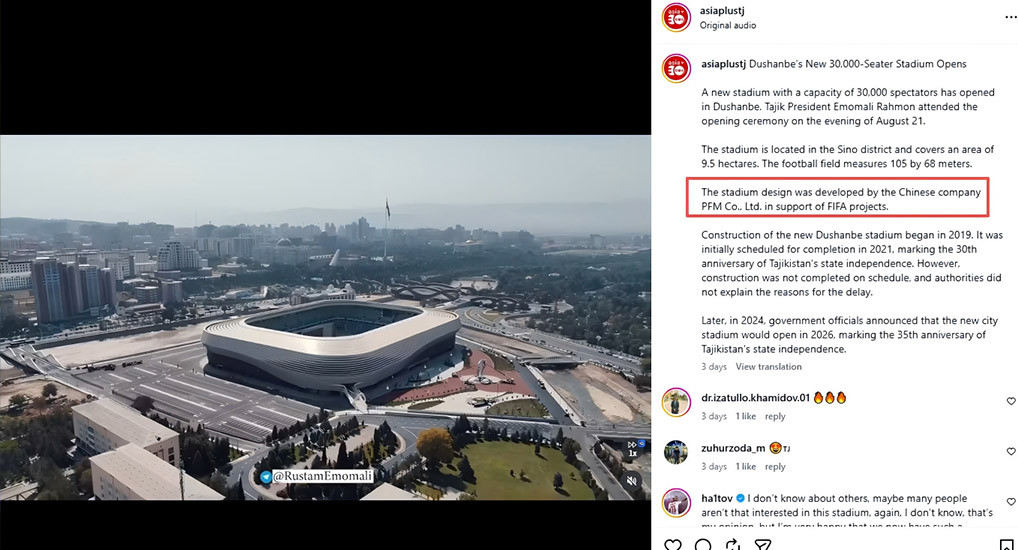
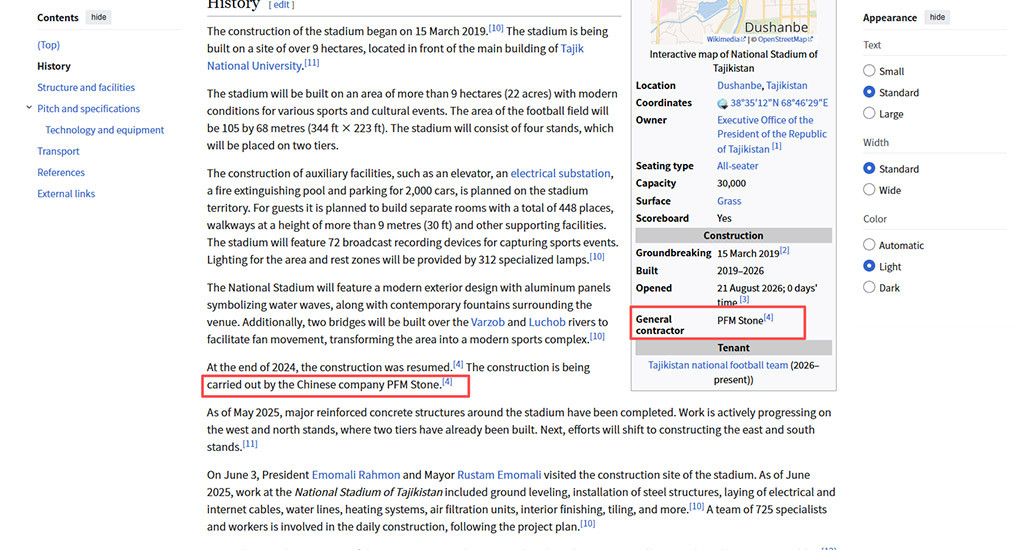
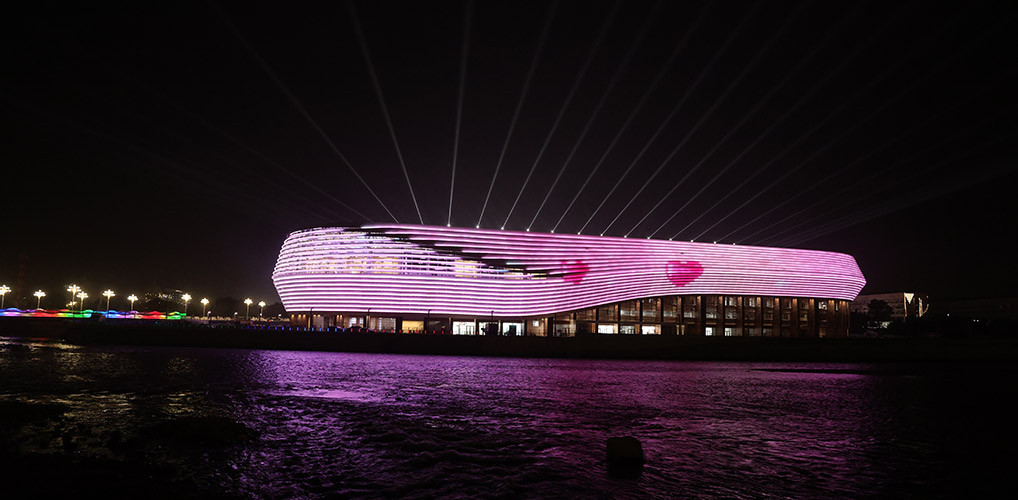
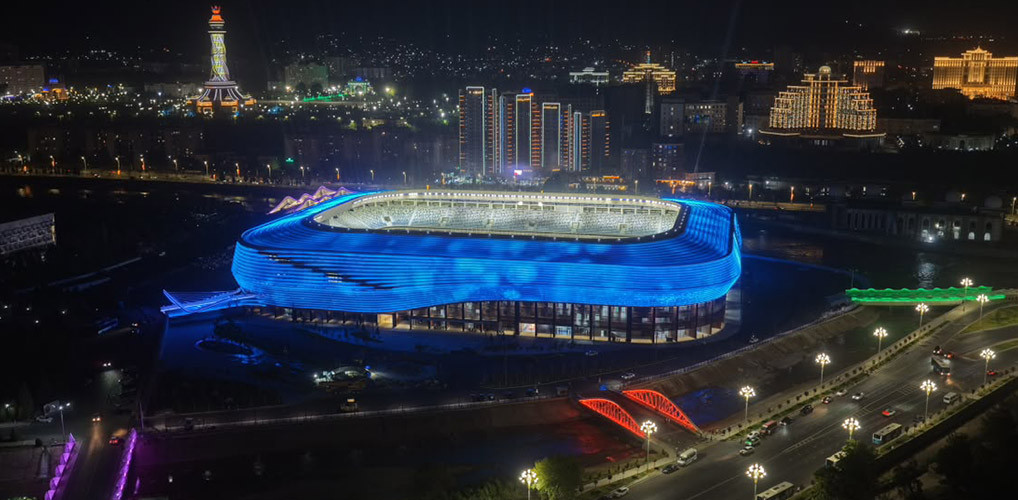
In Dushanbe, the capital of Tajikistan, a national stadium with a capacity of 30,000 has risen from the ground. It is about to usher in its highlight moment at the 35th Independence Anniversary celebration, becoming a new landmark for the country.
However, a truly complete urban landmark is more than just the venue itself. The surrounding landscape system—bridges, lighting, walkways, and public spaces—collectively forms the complete face of the landmark.
However, a truly complete urban landmark is more than just the venue itself. The surrounding landscape system—bridges, lighting, walkways, and public spaces—collectively forms the complete face of the landmark.
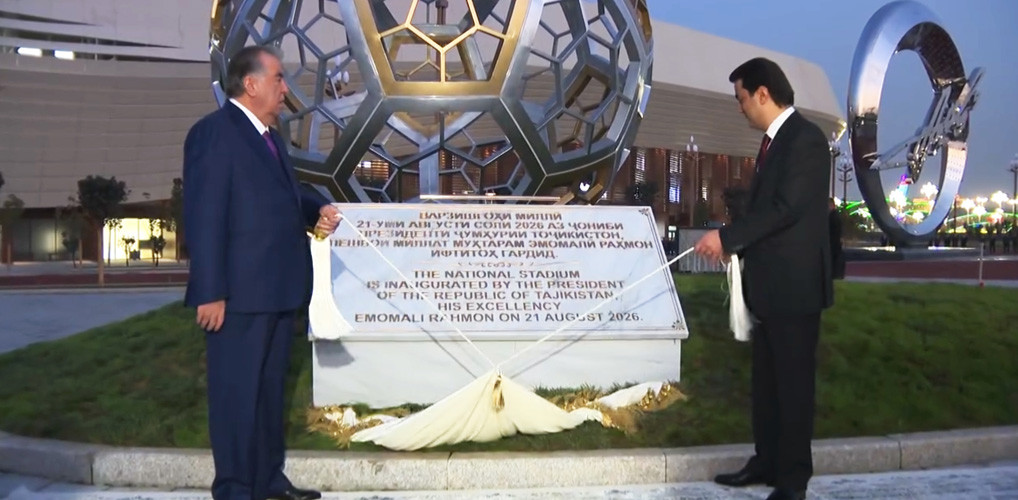
To complement the construction of the National Stadium and meet the needs of hosting future international events, Tajikistan launched a traffic and landscape environment upgrade project around the venue to improve pedestrian flow efficiency and the city's image during major events.
PFM undertook the engineering scope for five landscape bridges surrounding the National Stadium, covering decorative structure design, detailing, and lighting quantification engineering. From load calculations to structural modeling, and from cost optimization to lighting standards, PFM turned every "impossible" into "feasible."
01 Design: Five Distinct Bridges Carrying Unique Cultural Symbols
According to the project manager, the five landscape bridges fall into two categories:
Two existing bridges (Bridge No. 1 and No. 3): Built during the Soviet era, their original design data and structural drawings were no longer fully retrievable due to their age. Among them, Bridge No. 1 experienced noticeable swaying when heavy vehicles passed through.
Three new bridges (Bridge No. 2, No. 4, and No. 5): The client was responsible for civil construction, while PFM took charge of the decorative structures and lighting quantification.
Each bridge features an independent design language:
Bridge No. 1: Inspired by sea shells, symbolizing "inclusiveness and open-mindedness."
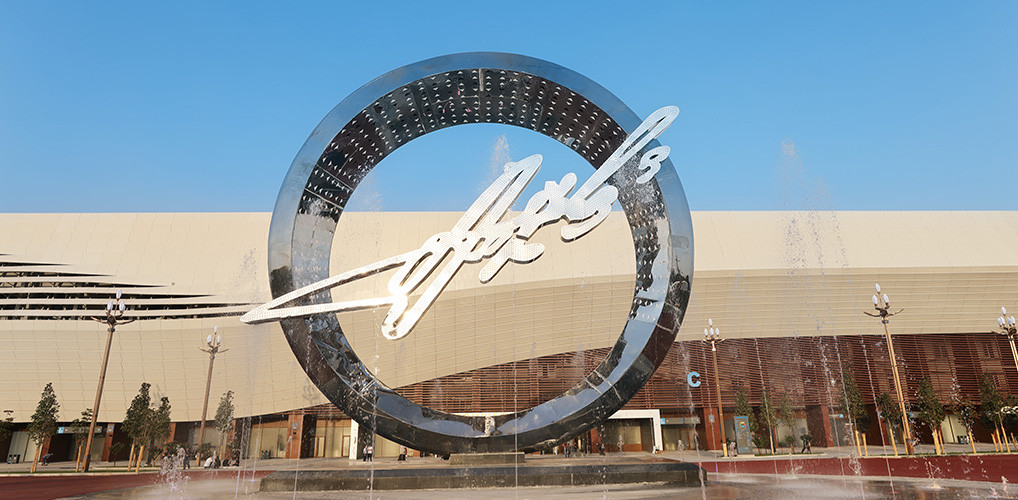
Bridge No. 3: Also inspired by sea shells like Bridge No. 1, featuring a unique form.
Bridge No. 4 ("Bridge of Nature"): Incorporates snow-capped mountains and terrains as design elements, paying tribute to Tajikistan's natural landscape as the "Country of Mountains."
Bridge No. 5 ("Bridge of the Silk Road"): Utilizes arches and flowing ribbon shapes to express the rich heritage of Silk Road culture.
02 Technology:
From Model to Realization
PFM's Full-Chain Technical Capability
Bringing the five landscape bridges to life was not a test of creating a rendering, but the capability to translate that rendering into reality with zero discrepancy. Moving from digital models to physical execution requires a comprehensive full-chain capability where every step is interconnected, and a deviation in any single link compromises the final result.
PFM's approach was structured as follows:
Step 1: Conceptual sketches
Step 2: Structural design and calculations based on bridge drawings or site data
Step 3: Model detailing using Tekla
Step 4: Aluminum panel detailing by the team using Rhino
Step 5: Steel structure fabrication
Step 6: Lighting design detailing
Step 7: Multi-party coordination and alignment
Step 8: Manufacturing across factories
Step 9: On-site installation
Step 10: Lighting integration and commissioning
Take Bridge No. 2, the "Bridge of Romance," as an example. Its design resembles a flower. While the floral shape looked elegant on paper, challenges arose in production: the curved aluminum panels varied in curvature at different positions, raising the question of how to ensure every panel fit seamlessly.
PFM's solution was "precise full-chain control."
Our engineering team designed the primary structure and completed load calculations based on the bridge conditions to guarantee design feasibility. Subsequently, through Tekla and Rhino modeling, we detailed the steel structures and aluminum panels, enabling factories to manufacture components directly from model parameters with precise calibration, ensuring that every panel matched its intended curvature.
Transforming the beautifully flower-shaped "Bridge of Romance" from blueprints into a physical landscape bridge relied on PFM's rigorous execution control and uncompromising commitment to quality at every step.
03 Safety: Upholding Standards Stricter Than the Client's
In overseas engineering projects, safety is often vulnerable to compromise. PFM withstood immense pressure and insisted on safety standards even stricter than those requested by the client.
During the renovation of Bridge No. 1, the client proposed installing rebar mesh only along both sides of the walkway. PFM insisted on laying rebar mesh across the entire bridge deck. The reason was straightforward: loads do not act exclusively on the sides. Ultimately, full-deck mesh reinforcement with interlocking ties was executed, securing the structural safety of the bridge.
Simultaneously, the client originally planned to break through the bridge's connecting tunnel to expedite construction. PFM argued for maintaining decorative continuity across the structure and successfully convinced the construction lead to adopt this approach. In addition to structural reinforcement, the function of Bridge No. 1 was reclassified: it was officially designated as pedestrian-only, eliminating vehicle-related risks.
During construction, the newly built Bridges No. 4 and No. 5 also faced major challenges. For Bridge No. 4, local structural strength was compromised because the client did not fully follow PFM's rebar configuration specifications. To guarantee safety, PFM required adding upper and lower clamping plates at the affected positions to lock the structure securely.
Bridge No. 5 required precise integration with the existing stadium, necessitating accurate cutouts in the side walls to deeply merge the bridge and stadium models. Any discrepancy risked damaging the completed building structure. Through precise model nesting, the team performed this delicate operation on the existing structure.
All solutions for the five bridges underwent rigorous structural calculations and multi-dimensional strength verification under various operating conditions—including dead load, wind load, and seismic loads. Implementation only proceeded after verifying that all safety metrics met the required standards.
Because when it comes to safety, there is no room for compromise.